Views: 0 Author: Site Editor Publish Time: 2026-07-31 Origin: Site
The global transition to electric commercial fleets is accelerating at an unprecedented pace. However, finding reliable commercial vehicles for specific regional needs remains a major bottleneck. The broader electric vehicle market heavily favors Left-Hand Drive configurations. Sourcing a compliant right-hand drive electric van for markets like South Africa, Kenya, Malaysia, and Indonesia demands strict vetting and insider knowledge. You cannot simply accept aftermarket steering conversions without risking severe safety and compliance failures.
Moving from internal combustion engines to electric fleets acts as a powerful hedge against volatile fuel costs, rather than just a corporate sustainability initiative. This article provides a rigorous framework for evaluating, shortlisting, and importing native right-hand drive commercial models. You will learn how to verify battery thermal management, navigate import compliance, and structure a low-risk pilot rollout. Read on to build a resilient, future-proof electric supply chain.
Battery Climate Compatibility: Lithium Iron Phosphate (LFP) batteries are highly suitable for sustained fleet operations in the high-temperature environments typical of Africa and Southeast Asia, with selection subject to local route and duty cycle conditions.
Native vs. Converted RHD: Procurement must prioritize factory-native RHD engineering over aftermarket steering conversions to ensure safety compliance and long-term structural integrity.
Real-World Range Discounting: Actual driving mileage will differ significantly from official lab test data such as WLTP or NEDC, as payload, air conditioning and road conditions will reduce usable range for daily delivery operations.
Post-Sale Viability: Supplier shortlisting must weigh the brand’s spare parts planning and remote diagnostic software support capability equally with unit price.
Transitioning your commercial fleet requires clear financial justification. You must look beyond simple environmental benefits to validate the investment. Operating an Electric Cargo Truck in right-hand drive (RHD) markets brings potential operating expense (OpEx) optimization space. Grid electricity prices remain highly regulated and predictable across many African and Asian nations. In stark contrast, imported diesel and petrol face extreme price volatility due to global supply chain disruptions. Switching logistics fleets to electric power may help operators stabilize long-term operational expenditure, subject to local power tariff policies.
Maintenance economics also shift dramatically in your favor. Electric motors contain drastically fewer moving parts than traditional diesel engines. You eliminate complex transmissions, exhaust systems, and routine oil changes entirely. This mechanical simplicity translates directly into higher vehicle uptime. Brake pads also last significantly longer because regenerative braking systems handle most of the daily deceleration workload. Vehicles spend more time completing deliveries and less time sitting inside repair bays.
Regulatory and tax tailwinds are currently accelerating early adoption across critical economic hubs. Major cities in Asia and Africa are aggressively establishing zero-emission zones to combat urban pollution. Governments now offer lucrative import duty exemptions for sustainable commercial transport. Early adopters capture these financial incentives while their competitors struggle with increasing emission penalties.
However, the capital expenditure (CapEx) hurdle remains a realistic challenge. The initial purchase price of electric fleets generally exceeds traditional internal combustion engine models. Fleet managers must structure comprehensive return-on-investment models to prove financial viability to stakeholders. Focus your financial projections on long-term operational savings, minimized maintenance downtime, and predictable energy costs. Transparent forecasting makes the initial capital outlay much easier to justify to your executive board, with actual payback cycles varying by annual delivery volume and local energy costs.
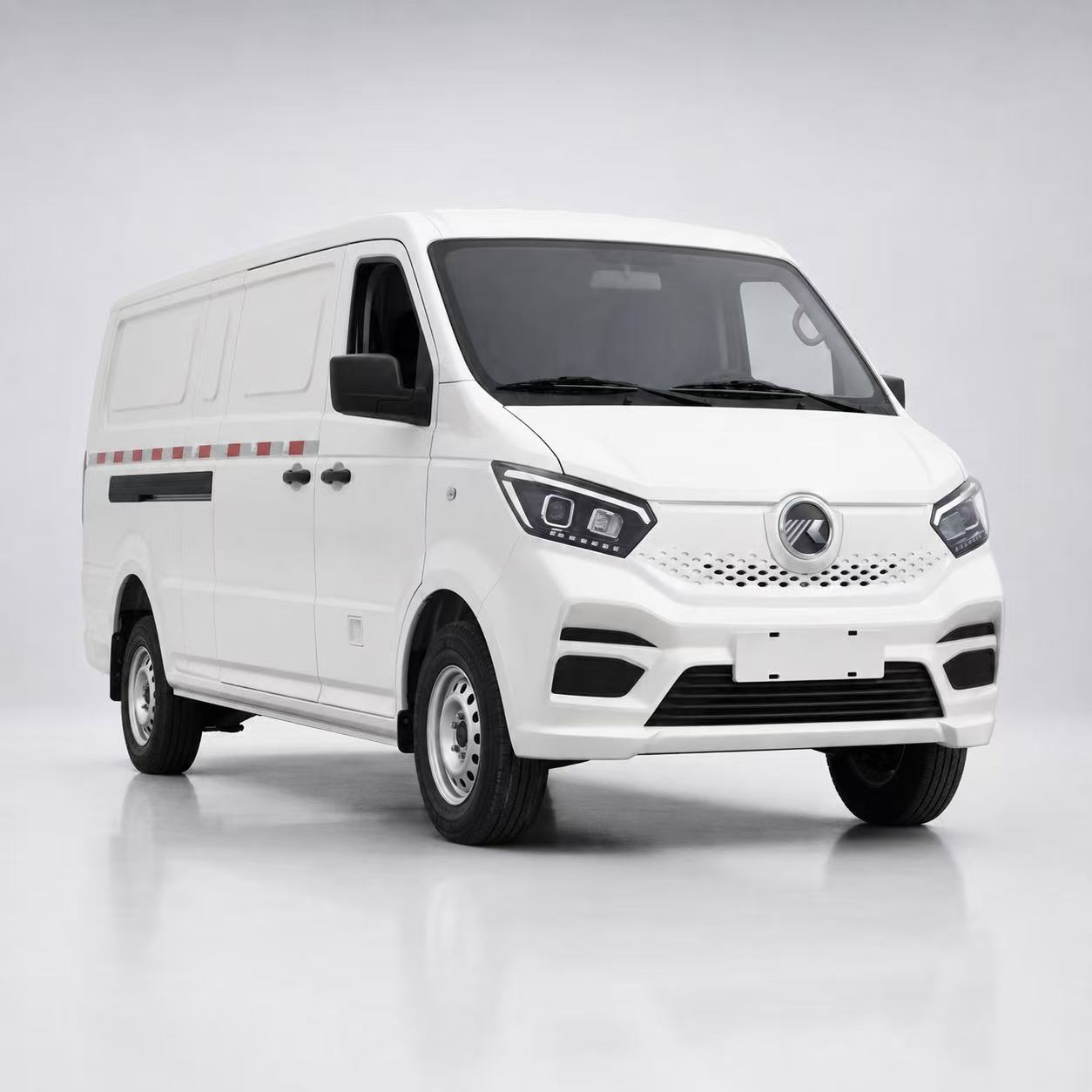
Not all battery chemistries perform equally well in hot climates. Fleet buyers must choose carefully between Lithium Iron Phosphate (LFP) and Nickel Manganese Cobalt (NMC) cells. We strongly recommend LFP chemistry for tropical and arid environments. LFP offers superior thermal stability and inherently resists dangerous thermal runaway events. It provides a much safer operational profile for daily commercial use.
Furthermore, LFP batteries deliver stable cycle performance under high ambient temperature. Actual usable charge cycles vary based on daily load, charging habits and local climate. NMC batteries often show faster capacity attenuation under continuous high-temperature operation. While LFP batteries carry a slight weight penalty, their robust durability fits most last-mile local delivery operations.
Best Practice: Always evaluate the underlying battery cooling mechanism. Heavy commercial use demands robust thermal management. Active liquid cooling systems pump refrigerant through the battery pack to maintain safe temperatures. They easily outperform passive air-cooling systems, which frequently fail during slow traffic in extreme summer heat.
Manufacturer range claims usually rely on empty vehicles driving in perfect laboratory conditions. Fleet managers need a realistic testing framework. You must evaluate the range of any right-hand drive electric van at its Maximum Gross Vehicle Weight (GVW). Carrying heavy cargo up steep inclines drains battery reserves rapidly.
Continuous stop-and-go delivery routes heavily impact overall efficiency. Regenerative braking does capture valuable energy during frequent stops. However, hauling maximum payload capacities while constantly running the air conditioning negates many of these efficiency gains.
Common Mistake: Never assume WLTP or NEDC testing standards match your real-world logistics routes. Actual range loss is determined comprehensively by cargo weight, ambient temperature and air-conditioning usage.
Your commercial vehicles are only as useful as their supporting charging network. Assess the onboard charger capacities very early in your procurement phase. A standard low-power AC charger requires longer charging hours for double-shift fleet operations. Selecting mid or high-power onboard AC charging modules helps shorten overnight charging cycles, matching depot power supply conditions.
For rapid mid-day turnarounds, verify DC Fast Charging capabilities immediately. Ensure the vehicle supports standardized protocols like CCS2 or GB/T. Your choice must align perfectly with your specific regional infrastructure standard. Mismatched charging ports render expensive fast chargers completely useless.
Operational realities often dictate complex charging strategies. Markets like South Africa frequently experience grid instability and scheduled load-shedding. You must actively manage charging schedules around these power outages. Implementing smart charging software helps depots maximize power draw during off-peak hours when the regional grid remains stable.
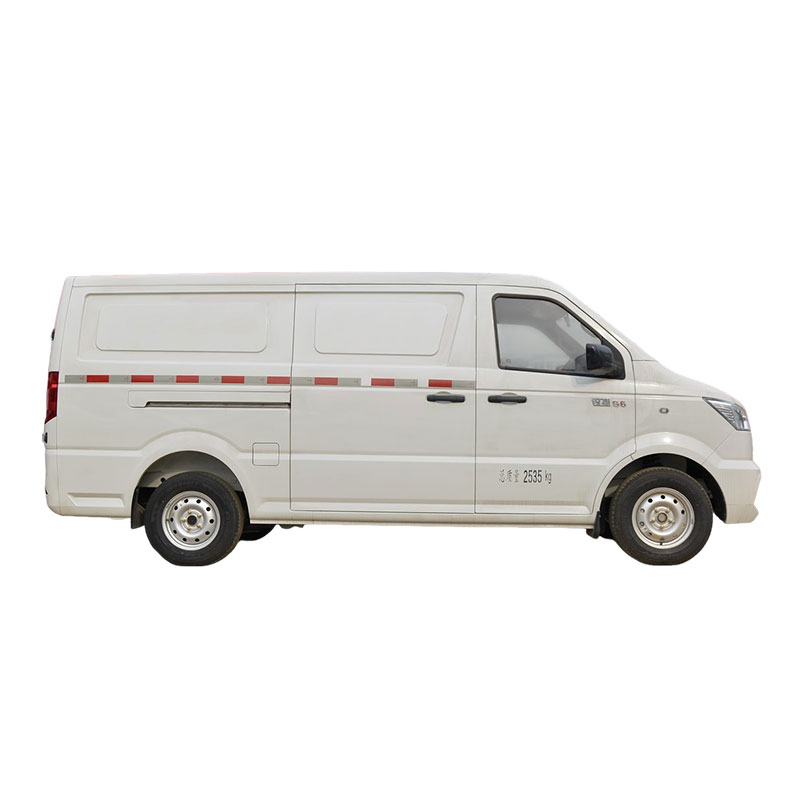
Securing compliant vehicles requires strict attention to factory engineering protocols. Buyers must demand undeniable proof of factory-level RHD homologation. Some unethical suppliers simply take left-hand drive models and move the steering wheel over after production. Accepting these post-production dashboard conversions introduces massive safety risks.
These aftermarket modifications routinely compromise the steering column geometry. They also stretch the electrical wiring harnesses, leading to inevitable short circuits. Factory-native engineering guarantees the manufacturer designed the vehicle as a right-hand drive unit from the original blueprint stage.
Legal import procedures require stringent documentation. Verify the vehicles meet internationally recognized certification standards before making any deposits. Look specifically for UN ECE safety standards or valid e-Mark certifications. Many regional transport authorities demand these exact documents before they issue commercial license plates.
Correct paperwork prevents costly port delays. Customs authorities scrutinize electric commercial vehicles meticulously. Ensure your supplier uses the correct Harmonized System (HS) codes for electric trucks on all shipping manifests. Misclassification almost always leads to unexpected customs delays and severe duty penalties.
Request original factory homologation certificates prior to shipment.
Verify regional crash safety test results for the specific RHD configuration.
Confirm the correct HS code assignment on the pro forma invoice.
Audit all high-voltage safety compliance documents thoroughly.
Cross-border procurement carries inherent financial and operational risks. You must evaluate the manufacturer’s stable export delivery capacity rigorously. Many overseas suppliers operate purely as white-label assemblers rather than true Original Equipment Manufacturers (OEMs). White-label assemblers lack dedicated research and development teams. Conduct thorough virtual or in-person factory audits. Look closely at their robotic welding lines, battery testing chambers, and final quality control stations.
Software reliability dictates vehicle uptime. A hardware fault without proper software access results in a grounded, "bricked" vehicle. You must insist on localized access to Battery Management System (BMS) diagnostic tools. Ensure the manufacturer provides robust Over-The-Air (OTA) update protocols. This technology allows remote software troubleshooting support, with on-site technician support arrangements negotiable based on cooperation scale.
A vehicle waiting on a minor replacement part destroys route profitability. Evaluate the supplier’s overall spare parts planning and long-term technical support capability. Discuss supporting spare parts allocation solutions with the brand at the initial order stage.
| Evaluation Category | Warning Signs (Red Flags) | Industry Best Practices |
|---|---|---|
| Factory Capabilities | Manual welding, no dedicated R&D department, outsourced battery assembly. | Fully automated chassis welding, in-house BMS programming, ISO certifications. |
| Software Diagnostics | Proprietary tools locked to the factory, no local language support. | Open OBD2 access, localized diagnostic laptops, remote OTA update capability. |
| Spare Parts Supply | Parts shipped only upon individual request via slow sea freight. | Initial crash kit included, dedicated high-wear parts staging in the target country. |
| RHD Engineering | Visible dashboard modifications, stretched wiring harnesses under the hood. | Purpose-built RHD steering racks, mirrored dashboard molding straight from the factory. |
High-wear consumable parts like brake pads and wiper motors are critical for continuous fleet operation. Discuss matching spare parts allocation plans before shipment. Having commonly used components accessible locally helps avoid long supply chain delays.
Never jump straight into high-volume container orders. Prudent buyers always implement a structured pilot verification framework. Import a small batch of test units initially. This limited rollout exposes potential operational flaws long before you commit significant capital to a massive fleet conversion.
Use the pilot phase for intense telemetry data gathering. Install advanced GPS and energy monitoring devices immediately. Track the actual kW/km consumption under your specific local climate conditions. Monitor driver adoption friction closely. Drivers transitioning from diesel to electric often struggle with regenerative braking dynamics initially. Assess how maximum payload stress affects battery degradation and suspension wear over your region's rougher roads.
Pilot data becomes your strongest asset during final negotiations. Use these real-world efficiency metrics to negotiate your final volume pricing. More importantly, leverage the performance data to align on Service Level Agreement (SLA) terms. SLA supporting standards can be mutually confirmed by both parties according to order volume and local market layout.
Month One: Focus on driver training, unladen route familiarization, and depot charging workflows.
Month Two: Introduce maximum GVW payloads and test vehicle performance on high-gradient routes.
Month Three: Analyze energy consumption data, audit suspension integrity, and finalize SLA negotiations.
Procuring a commercial electric fleet requires meticulous planning and rigorous partner vetting. Moving from initial evaluation to final procurement demands an uncompromising approach to quality control. Your operational success relies entirely on matching vehicle specifications to your local climate realities. High-temperature regions necessitate specific battery chemistries and active cooling solutions to guarantee stable service performance.
Always align on standardized after-sales supporting terms before signing any long-term contracts. Factory-native engineering protects your investment and ensures driver safety. Never compromise on compliance documentation or homologation standards to save time. Short-term shortcuts always result in long-term regulatory penalties.
Start small, gather actionable telemetry data, and scale strategically via pilot testing. We encourage fleet buyers to utilize a standardized supplier vetting checklist to streamline factory audits.
The suitable SKD or CKD model depends on destination country policy, local assembly capability, order quantity, vehicle type and factory confirmation.
To recommend a matching vehicle solution, please share:
1. Destination country & target sales region
2. Vehicle type: electric van / mini electric truck
3. Annual order volume forecast
4. Road condition & average daily payload
5. Local charging infrastructure type
6. Destination port
7. Battery preference (LFP / NMC)
8. Cooperation mode preference: CBU direct export / SKD / CKD
9. Company type: importer, distributor, fleet operator
Our team can discuss vehicle configuration matching, charging scheme and packing & assembly plan based on your confirmed market demands.
A: A factory-native vehicle is engineered from the blueprint stage for right-hand drive. It features proper steering rack geometry and securely routed wiring harnesses. A converted vehicle involves cutting and relocating left-hand drive components post-production. Conversions compromise structural safety, increase the risk of electrical faults, and may void official manufacturer warranties.
A: Service life of LFP batteries in high-temperature areas is affected by daily load, charging frequency and cooling system configuration. LFP models equipped with active liquid cooling deliver stable capacity retention under tropical working conditions. NMC batteries usually show faster capacity attenuation under continuous high heat exposure. Actual usable service cycles vary greatly based on daily operation habits.
A: Yes, you can charge them using standard industrial AC power. Dedicated wall-mounted charging units with matched power output are recommended for daily fleet operation. Ordinary household power outlets cannot meet the charging efficiency demands of commercial vehicles. DC fast charging facilities can be deployed to speed up vehicle turnover, and installation must follow local electrical safety standards.
A: Reputable manufacturers support warranty solutions via mutually confirmed Service Level Agreements (SLAs). Remote diagnostic tools help identify vehicle faults efficiently. Once faults are confirmed, spare parts delivery arrangements can be coordinated. Local aftersales support resources will be discussed and aligned during order negotiation, supporting timely vehicle maintenance for overseas fleets.


