Views: 0 Author: Site Editor Publish Time: 2026-07-28 Origin: Site
Fleet managers face unprecedented pressure entering the 2026 fiscal year. You must urgently balance strict corporate sustainability mandates against shrinking operational budgets. The financial stakes have never been higher for transportation logistics. Comparing simple sticker prices no longer works for modern vehicle procurement. You need comprehensive financial modeling frameworks tailored to local market conditions. Planners must factor in challenging infrastructure demands before buying anything. Volatile global energy markets constantly complicate every purchasing decision. Shifting regional incentive structures add another layer of planning complexity. We will explore an objective, evidence-backed financial checklist for fleet buyers. You will learn exactly how to evaluate your current operations. We assess if transitioning to battery power brings viable fiscal benefits matching your specific routes. We also examine alternative procurement strategies. In certain operational scenarios, sticking with traditional internal combustion engines may deliver stable, predictable returns.
Upfront Costs vs. Subsidies: The high initial CAPEX of electric models requires alignment with local incentive policies to narrow total cost gaps, with actual parity subject to annual mileage and regional subsidy rules.
OPEX Realities: Electric fleets carry potential per-mile energy and maintenance optimization space, yet proper route planning and depot charging scheduling are essential to capture such benefits.
Hidden Infrastructure Capital: Depot electrification upgrades frequently become unplanned cost items, and project lead times vary widely based on local grid conditions and administrative approval progress.
Payload Constraints: Battery packs add curb weight that affects usable cargo capacity versus diesel light trucks, which will alter daily delivery efficiency under maximum-load operation.
The year 2026 serves as a notable turning point for commercial transport. Regulators continue tightening emission standards across multiple regions. Many local authorities introduce tiered zero-emission fleet procurement requirements with flexible implementation timelines. Meanwhile, advanced battery technology matures at a rapid pace. Global vehicle supply chains have achieved more stable operation after years of supply disruptions.
However, you cannot evaluate a fleet replacement strictly on environmental promises. A successful procurement decision always hinges on three non-negotiable operational metrics:
Maximum vehicle uptime: Commercial assets must stay on the road earning revenue consistently. If a truck sits idle, your company loses money.
Preservation of payload and route viability: Severe weight restrictions cannot compromise your daily delivery volumes. Managers must protect existing route profitability.
Predictable lifecycle ROI: Long-term financial returns must remain stable. We evaluate these over typical five-to-seven-year hold periods.
We recommend a cautious pilot-to-scale approach rather than full fleet-wide replacement in one batch. You must test specific, fixed delivery routes first. Use advanced telematics to gather real-world operational data over an extended trial period. Reliable on-site data supports large capital investment decisions. This methodical strategy effectively mitigates broad operational risks. You must prepare your workforce for this shift. Technicians need targeted high-voltage vehicle maintenance training. Dispatchers must adjust routing logic to account for EV charging time limits.
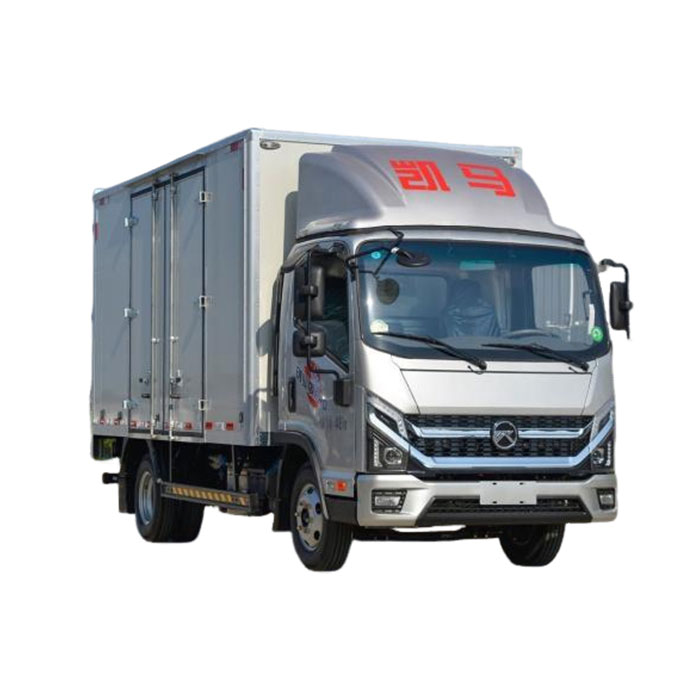
Let us objectively examine base vehicle purchase prices. Modern Electric Light Trucks carry a higher upfront acquisition cost compared to equivalent internal combustion counterparts. Price gaps between powertrain types differ across vehicle tonnage and regional supply markets. You must evaluate financing structures to offset initial capital pressure reasonably.
Regional incentive policies help reduce upfront procurement costs for eligible buyers. Local clean vehicle subsidy schemes provide tiered financial support, including point-of-sale rebates and post-purchase tax adjustments. Such support mechanisms ease short-term capital pressure for fleet operators.
However, over-reliance on temporary subsidy schemes carries material business risks. Policy terms, eligibility thresholds and funding quotas are subject to periodic revisions. Local government funding pools may reach limits before your procurement plan completes. Financial models built entirely around unconfirmed incentives become vulnerable to cost overruns. You must design acquisition plans with conservative cash flow forecasting. Confirm all subsidy eligibility rules and funding availability before finalizing purchase contracts.
Energy expense modeling demands rigorous, localized analysis. Liquid fuel prices shift significantly in response to cross-border supply and geopolitical factors. Local commercial power tariffs appear more consistent on the surface, yet tiered utility billing rules and peak-hour demand fees create hidden cost risks for fleet operators.
Managed charging scheduling forms a core part of electric fleet cost control. Charging vehicles during grid peak demand windows will push up power expenses noticeably. Targeted overnight off-peak charging helps stabilize energy spending for depot-based fleets.
Maintenance schedules also differ dramatically between drivetrains. A traditional Diesel Cargo Truck requires highly predictable preventative care. You routinely schedule engine oil changes. You replace DEF fluids and swap DPF filters regularly. Mechanics understand these established costs perfectly.
Conversely, battery-powered models feature fewer moving mechanical components, yet introduce unique specialized maintenance needs. Heavy vehicle weight accelerates tire wear under full-load delivery cycles. Continuous software platform subscriptions also create recurring monthly operational expenses. All BMS update and diagnostic service fees should be incorporated into full-lifecycle cost projections.
Many fleet buyers underestimate the total investment required for depot electrification upgrades. Site grid transformation involves civil construction work and electrical system overhauls, leading to variable capital outlay and project lead times.
Level 2 and DC Fast Charging hardware, transformer replacement and grid connection permits all contribute to total upgrade expenses. Administrative approval timelines for electrical works vary based on local municipal rules. Such site upgrades often become the largest unplanned expense for operators shifting to electric fleets.
Next, consider payload limitations caused by battery mass. Large battery packs increase base curb weight, lowering the maximum allowable cargo load per vehicle. Reduced single-truck payload capacity may require additional daily trips to complete identical delivery volumes, cutting overall route efficiency.
Finally, analyze downtime risk differences between powertrains. Diesel service networks are widely available in most regional markets, with fast access to standard spare parts. The EV aftersales service ecosystem remains less standardized in many areas; specialized component faults may extend vehicle downtime pending cross-border spare parts delivery.
| Expense Category | Traditional Fleet Depot | Electrified Fleet Depot |
|---|---|---|
| Refueling Hardware | Minimal, compatible with public fuel stations | Customized DC fast charging hardware with site installation |
| Grid Upgrades | No mandatory modification | Site grid reinforcement tailored to fleet charging scale |
| Permitting Timeline | Fast approval process | Approval cycles subject to local municipal administration rules |
| Civil Engineering | Minimal site construction work | Civil trenching and power distribution layout construction |
Depreciation trends determine long-term total ownership outcomes for commercial fleets. The secondary resale market for used diesel light trucks maintains stable trading demand, with depreciation curves that can be referenced for long-term financial forecasting.
The used electric commercial vehicle market is still evolving across most regions, with resale value volatility tied to local battery service infrastructure. Buyers of second-hand EV fleets prioritize verified battery health records, creating wider valuation gaps versus diesel equivalents.
A battery pack’s remaining capacity directly impacts residual asset value. Battery capacity attenuation accumulates over multi-year operation under high-temperature, full-load delivery cycles. Reduced usable range will lower secondary market valuation, and full battery replacement carries substantial component costs that affect end-of-lifecycle asset returns.
Fleet operators must integrate technology depreciation risks into all TCO forecasting models, and avoid assuming uniform residual value parity between electric and diesel powertrains.
There is no universal optimal powertrain solution for all fleet operations. Traditional internal combustion trucks deliver stable performance for many delivery scenarios. They perform well under maximum payload requirements, long-distance variable routes and limited upfront capital budgets. Electric light trucks deliver cost advantages for fixed short-haul return-to-base delivery routes, especially where confirmed local subsidies offset initial high acquisition costs.
Run your exact route telemetry data through verified financial lifecycle calculators.
Audit your existing facility's electrical grid capacity immediately.
Initiate a strictly limited pilot program before committing to wide-scale adoption.
Secure guaranteed infrastructure upgrade quotes before buying any actual vehicles.
Model your depreciation curves using highly conservative secondary market estimates.
Train your dispatch team on managed charging protocols.
The suitable CBU / SKD / CKD cooperation mode depends on destination country policy, local assembly infrastructure, annual order quantity, vehicle model and factory mutual confirmation.
To receive customized route and cost analysis support, share the below information:
Target operation country & core delivery regions
Vehicle type: diesel light truck / electric light truck
Estimated annual operating mileage per unit
Average daily payload & typical route distance
On-site depot grid power capacity status
Local charging infrastructure accessibility
Primary operating ambient temperature range
Preferred cooperation mode: CBU export / SKD assembly
Company type: logistics fleet operator, vehicle importer, distributor
Our team can provide targeted TCO comparison, charging layout planning and vehicle configuration suggestions aligned with your local market operating rules.
Q: What is the realistic break-even point for electric light trucks vs. diesel?A: Cost parity timelines depend heavily on annual vehicle mileage, local power and fuel pricing, plus confirmed subsidy support. High-mileage fleets with structured off-peak charging may see balanced total costs within multi-year holding cycles. Low-mileage operation will extend payback periods significantly, which may exceed the preferred vehicle service cycle. Maximizing consistent daily operation helps offset higher initial EV acquisition costs.
Q: How does cold weather affect the payload and range of electric fleets?A: Low ambient temperatures impact battery chemical performance, reducing usable driving range under winter operating conditions. Actual mileage loss varies based on battery type, cabin heating power consumption and daily load weight. Fleet planners should adjust daily payload limits to guarantee reliable round-trip delivery in cold seasons.
Q: Are depot charging infrastructure upgrades eligible for tax credits?A: Site electrical transformation works may qualify for local government energy transition incentives, subject to strict regional eligibility criteria including geographic zones, labor compliance standards and project scope limits. Consult a local professional tax advisor to verify all subsidy rules before finalizing depot upgrade investment plans.


