Views: 0 Author: Site Editor Publish Time: 2026-09-14 Origin: Site
Transitioning a commercial fleet to electric vehicles requires moving beyond simple range estimates to solve the more complex math of route profitability, cargo weight, and commercial classifications. Miscalculating electric delivery truck payload leads to severe operational failures. Heavy battery packs reduce available cargo capacity. Ignoring this reality results in either underutilized cargo space or dangerously overloaded vehicles. Overloading accelerates chassis degradation, increases safety risks, and triggers compliance fines.
You face a strategic choice between last-mile urban agility and middle-mile cargo volume. Selecting a 1 ton electric mini truck optimizes high-density routes. Opting for a 3 ton electric light truck secures capacity for heavy freight. This guide provides a strict framework for evaluating both classes based on operational realities, infrastructure demands, and route matching to help you deploy the right electric assets.
Payload Realities: EV battery weight directly impacts Gross Vehicle Weight Rating (GVWR); a true 1-ton or 3-ton payload requires a higher GVWR in an EV than in an internal combustion engine (ICE) equivalent.
Route Matching: 1 ton electric mini trucks dominate high-density, low-weight urban parcel routes, while 3 ton electric light trucks are essential for palletized goods, appliances, and middle-mile logistics.
Infrastructure Demands: 3-ton vehicles typically require significant depot upgrades (DC Fast Charging) to maintain uptime, whereas 1-ton fleets can often scale using standard Level 2 charging infrastructure.
Understanding commercial vehicle weight limits requires separating outdated terminology from modern engineering metrics. Fleet operators must grasp how electric powertrains alter traditional payload calculations to avoid purchasing assets that cannot legally carry their intended freight.
Traditional truck nomenclature is highly misleading. Historically, terms like half-ton, three-quarter-ton, and one-ton referred strictly to the maximum payload capacity. These labels did not account for the unladen weight of the vehicle itself. Today, these terms function mostly as marketing categories rather than engineering specifications. Modern commercial classifications rely entirely on Gross Vehicle Weight Rating (GVWR). GVWR represents the absolute maximum safe operating weight of a vehicle. This rating includes the chassis, body, driver, passengers, fluids, and cargo.
To determine actual payload, you must subtract the vehicle's curb weight from its GVWR. Relying on historical tonnage labels when purchasing electric trucks will lead to severe capacity miscalculations. For example, if an electric truck has a GVWR of 10,000 pounds and a curb weight of 7,500 pounds, the true payload is only 2,500 pounds. You cannot simply assume a "one-ton" badge guarantees 2,000 pounds of usable cargo capacity once you add a driver, a heavy liftgate, and cargo shelving.
Fleet managers must bridge the gap between payload terminology and official Federal Highway Administration (FHWA) classes. These classifications dictate regulatory compliance, driver licensing, weigh station requirements, and tolling standards.
Class 1 to Class 3: A 1-ton payload electric truck typically falls into Class 2b or Class 3. These vehicles have a GVWR ranging from 8,501 to 14,000 pounds. They operate easily in urban environments without triggering heavy-duty commercial regulations. Drivers do not need specialized licenses, and the vehicles generally bypass commercial weigh stations.
Class 4 to Class 6: A 3-ton payload electric truck pushes into mid-duty tiers, usually Class 4 or Class 5. These vehicles feature a GVWR between 14,001 and 19,500 pounds. Operating in these classes often requires specialized insurance, stricter DOT compliance tracking, mandatory daily inspection logs, and sometimes commercial driver's licenses depending on the exact configuration and state laws.
Electric vehicles carry a distinct weight penalty. Heavy lithium-ion battery packs consume a massive portion of the vehicle's GVWR. A commercial EV battery can weigh anywhere from 1,000 to over 2,500 pounds depending on its kilowatt-hour (kWh) capacity. This battery mass directly subtracts from the available payload.
To achieve a true 3-ton electric truck payload capacity, the vehicle must be engineered with a significantly heavier chassis. The frame rails, leaf springs, and axle weight ratings (GAWR) must be much higher than a gas or diesel counterpart. If an OEM simply swaps an internal combustion engine for an electric powertrain without upgrading the suspension and axles, the legal payload capacity drops drastically. You must verify the engineering behind the chassis before assuming it can handle heavy freight.
You must audit your current fleet data before selecting a payload class. Guesswork leads to inefficient capital deployment and operational bottlenecks.
Average Daily Cargo Weight: Pull telematics data and weigh station tickets to determine the exact mass your trucks carry on average. Do not rely on driver estimates.
Cube Out vs. Weigh Out Metrics: Analyze whether your trucks fill up their physical volume (cube out) before they hit their weight limit (weigh out). Volumetric data is just as critical as mass.
Seasonal Peak Loads: Factor in holiday spikes or seasonal inventory shifts that demand temporary payload increases. Your fleet must handle the heaviest day of the year, not just the average day.
Upfit Weight Deductions: Calculate the exact weight of any required upfits. Liftgates, refrigeration units, and steel shelving directly reduce your available payload.
Urban logistics demand precision, tight turning radiuses, and high-frequency stop capabilities. The 1-ton electric class is engineered specifically for these dense environments where maneuverability outweighs raw hauling power.
These vehicles thrive in environments where cargo volume matters more than raw mass. Target applications include e-commerce parcel delivery, local florists, food and beverage distribution, and dense urban routes. In these sectors, drivers make dozens or hundreds of stops per shift. The primary advantage here is the ability to "cube out" before "weighing out."
E-commerce parcels are typically lightweight but bulky. A driver will completely fill the cargo area long before reaching the 2,000-pound payload limit. This makes a massive, heavy-duty chassis unnecessary and inefficient for last-mile parcel routes. Using a heavy-duty truck for lightweight parcels wastes energy moving the heavy chassis rather than moving the freight.
The engineering of a 1-ton electric truck translates directly into daily operational wins on the street.
Maneuverability & Stop-and-Go Efficiency: Shorter wheelbases allow access to narrow alleys, residential driveways, and tight loading zones. Instant EV torque provides quick, efficient acceleration in heavy traffic. This is a massive upgrade over sluggish ICE vans that struggle with constant stop-and-go momentum.
Regenerative Braking Optimization: In dense urban routes with 100+ stops, regenerative braking captures significant kinetic energy. This extends the functional range of the vehicle far beyond highway driving scenarios.
Charging Scalability: Smaller payload vehicles require smaller battery packs. These typically range from 40 to 70 kWh. You can fully recharge these batteries overnight using standard Level 2 AC chargers. This avoids expensive depot grid upgrades, trenching, and transformer installations.
Driver Retention: Smaller trucks drive more like passenger cars. They do not require commercial driver's licenses (CDLs). This expands your hiring pool significantly during labor shortages and reduces training overhead.
Deploying 1-ton electric trucks carries specific operational risks that must be managed proactively.
Fleet Inflexibility: If your business model pivots to heavier goods, these trucks become obsolete. You cannot safely or legally overload them with industrial parts, heavy liquids, or construction materials.
Range Degradation Under Load: Operating consistently at maximum payload capacity drains the battery faster. This is exacerbated in extreme weather or hilly urban environments. A 150-mile advertised range can quickly drop to 90 miles under heavy load and cold conditions.
Dock Compatibility: Mini trucks often sit lower to the ground than standard commercial loading docks. You may need specialized ramps or ground-level loading procedures, which can slow down depot operations.
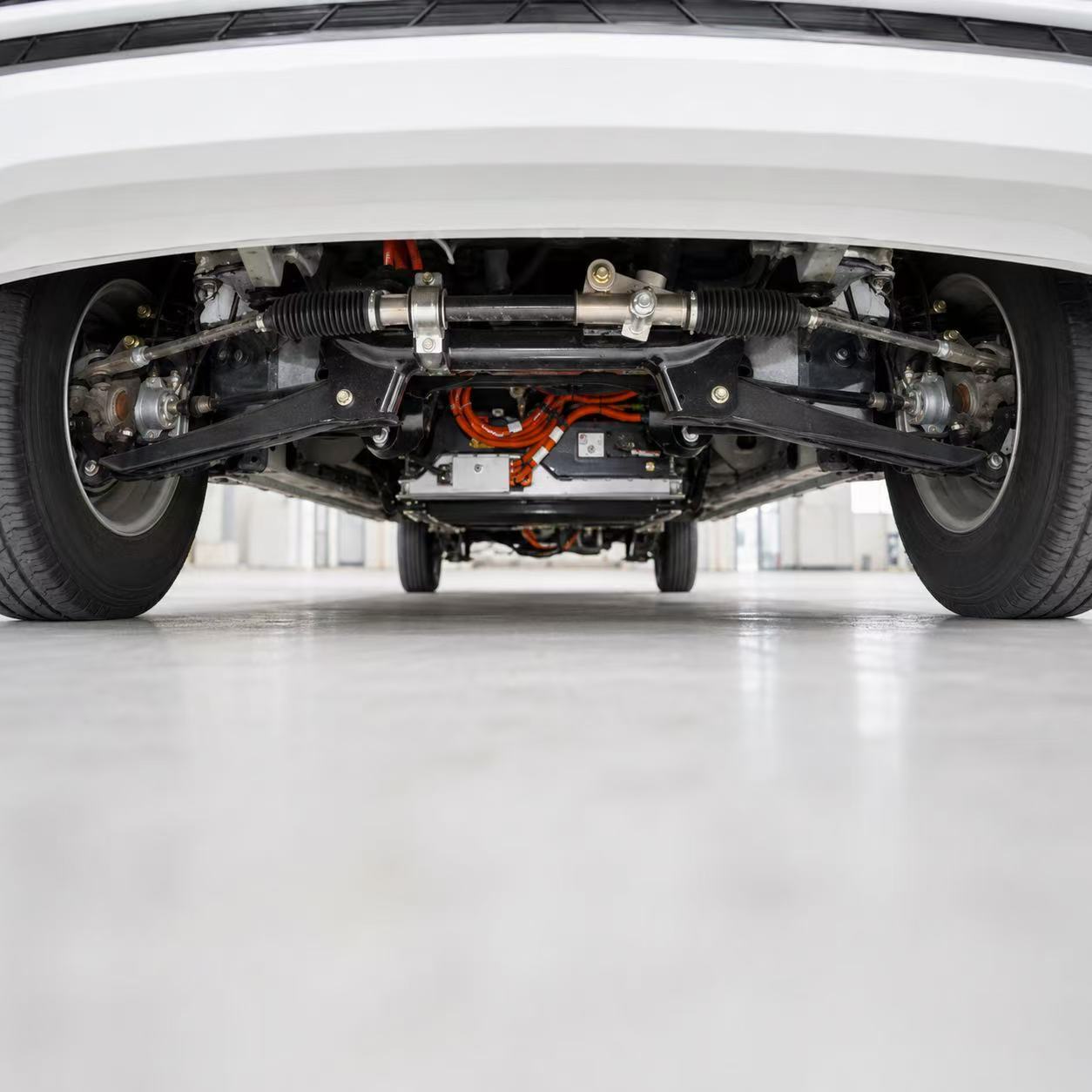
When cargo shifts from cardboard boxes to pallets and appliances, payload capacity becomes the absolute bottleneck. The 3-ton electric class is built to handle heavy, dense freight over middle-mile routes where raw hauling power is non-negotiable.
These trucks are designed for high-mass applications. Target use cases include furniture delivery, appliance installation, palletized Less-Than-Truckload (LTL) freight, and regional distribution. These routes typically feature fewer stops but require moving significantly heavier items.
A 3-ton capacity ensures that a truck can carry multiple pallets of liquid beverages, heavy construction materials, or large commercial appliances without violating DOT weight restrictions. In these scenarios, the truck will almost always "weigh out" before it "cubes out." The suspension and frame must handle the stress of forklifts dropping heavy pallets directly into the cargo bay.
Heavy-duty electric trucks offer unique performance benefits that traditional diesel trucks cannot match.
Consolidated Routing: A 6,000-pound payload capacity allows for fewer return-to-depot trips. Drivers can load more freight at the start of their shift. This saves driver hours, reduces deadhead mileage, and increases daily delivery yields.
Power and Torque Under Load: Electric motors deliver maximum torque at zero RPM. A fully loaded 3-ton EV is significantly more powerful and easier to drive on inclines than a traditional diesel step van. There is no transmission hunting or engine lugging when pulling heavy loads up steep grades.
Versatility and Buffer Capacity: These trucks handle both high-volume and high-mass cargo. They provide a critical buffer for seasonal spikes in heavy freight, ensuring your fleet never has to reject a load due to weight limits.
Standard Dock Loading: The heavier chassis usually aligns perfectly with standard commercial loading dock heights, allowing for seamless pallet jack and forklift operations.
Scaling a fleet of 3-ton electric trucks introduces complex infrastructure and compliance challenges.
Infrastructure Bottlenecks: Moving 6,000 pounds of cargo requires massive energy. These trucks utilize larger battery packs, often exceeding 100 to 200 kWh. Recharging these massive batteries overnight necessitates DC Fast Charging (Level 3). Installing DCFC requires significant capital expenditure, utility grid negotiations, and long lead times for hardware.
Driver Licensing & Compliance: A 3-ton payload EV requires a heavy chassis. Combined with a massive battery, the total GVWR easily pushes into categories requiring specialized commercial driver's licenses (CDLs). This triggers stricter DOT compliance rules, mandatory weigh station stops, and specialized driver training.
Tire Wear: The combined weight of the heavy chassis, massive battery, and 3-ton payload creates immense friction. EVs consume tires faster than ICE vehicles due to the instant torque and sheer mass. Fleet managers must account for accelerated tire replacement schedules.
Choosing between a 1 ton vs 3 ton electric truck requires a strict evaluation of your route data and facility capabilities. You must align vehicle specifications with your operational reality to ensure successful deployment.
The decision matrix relies on two variables: stop density and cargo mass. High stop density combined with low cargo weight points directly to the 1-ton class. These routes require agility and frequent door openings, not heavy lifting. Conversely, low stop density combined with high cargo weight demands the 3-ton class. If your drivers make 15 stops a day delivering heavy pallets, a 1-ton truck will require three separate depot trips to complete the route. This destroys operational efficiency and wastes driver hours.
You must evaluate the hidden complexities of scaling an electric fleet. Installing twenty Level 2 chargers for a fleet of mini trucks is generally straightforward. It requires basic electrical panel upgrades and standard permitting. Scaling a fleet of 3-ton light trucks is vastly different. Installing five DC Fast Chargers requires trenching concrete, upgrading depot transformers, and negotiating megawatt-level power draws with local utility providers. The infrastructure timeline for 3-ton trucks can easily exceed 18 months.
Beyond the initial purchase price, you must evaluate the ongoing operational costs. Heavier trucks incur higher insurance premiums due to their increased damage potential in collisions. They also consume tires at a much faster rate. A 3-ton electric truck will require tire replacements significantly sooner than a 1-ton mini truck. However, the 3-ton truck generates more revenue per route if your billing model is based on freight weight. You must calculate the cost-per-mile against the revenue-per-route to find the true lifecycle value of each class.
Use the following table to compare the core attributes of both vehicle classes.
| Evaluation Criteria | 1 Ton Electric Mini Truck | 3 Ton Electric Light Truck |
|---|---|---|
| Target Payload Mass | Up to 2,000 lbs | Up to 6,000 lbs |
| Ideal Cargo Type | Parcels, florals, light food delivery | Pallets, appliances, furniture, LTL |
| Route Profile | High-density urban, 50-100+ stops | Middle-mile, regional, 10-30 stops |
| Charging Requirement | Level 2 AC (Overnight scalable) | DC Fast Charging (Level 3 required) |
| DOT Classification | Class 2b / Class 3 (Standard license) | Class 4 / Class 5 (Possible CDL required) |
| Maneuverability | Excellent in tight alleys and traffic | Requires standard loading docks and wide turns |
| Tire Wear Rate | Standard commercial wear | Accelerated due to high mass and torque |
Deploying electric trucks introduces new physical and logistical variables. Fleet managers must proactively mitigate risks related to range anxiety, payload physics, and transition timelines to prevent operational disruptions.
You must understand the physics of EV efficiency. Carrying a full payload requires more energy to overcome inertia and rolling resistance. Advertised EV ranges are typically calculated with empty or half-empty cargo bays. Carrying a full 3-ton payload reduces advertised range by 20% to 40%. This degradation depends heavily on topography, vehicle speed, and HVAC usage. Driving a fully loaded truck up steep grades in freezing weather will drain the battery rapidly. You must build a 20% range buffer into all route planning to prevent stranded vehicles.
Never purchase an electric truck based on brochure specifications. Fleet managers must run telematics-based route simulations using EV-specific software before issuing purchase orders. These simulations must factor in exact payload weights, elevation changes, historical route data, and local weather patterns. Inputting your actual weigh station tickets into the simulation will reveal whether a truck can complete its route under maximum load conditions. You must also simulate the impact of running the cabin heater during winter months, as this draws directly from the traction battery.
Do not replace your entire fleet simultaneously. Address the timeline for replacing legacy delivery trucks through a phased pilot program. Start with a 1-ton electric mini truck for predictable, lightweight urban routes. This allows your team to learn EV charging habits and maintenance protocols without risking heavy freight contracts. Retain your ICE vehicles for heavy, unpredictable, or long-distance routes. Keep the mixed fleet operational until you secure DCFC infrastructure and successfully manage driver range anxiety.
Conduct a strict payload audit of your existing fleet using historical weigh station tickets and telematics data to determine your true daily cargo mass.
Calculate your cube-out versus weigh-out ratios to identify whether your routes demand physical cargo volume or raw weight capacity.
Consult with local utility providers immediately to assess your depot's current power capacity and map out transformer upgrade timelines for potential DC Fast Charging.
Run digital route simulations using your heaviest seasonal payload data and worst-case weather scenarios to verify real-world EV range before procurement.
A: A 1-ton electric mini truck safely carries up to 2,000 lbs of cargo. However, buyers must verify the specific manufacturer's Gross Vehicle Weight Rating (GVWR) and subtract the vehicle's curb weight. The heavy battery pack can reduce actual payload if the chassis is not properly upgraded.
A: A 1-ton payload EV generally falls into Class 2b or Class 3. A 3-ton payload EV pushes into Class 4 or Class 5. The added mass of the large battery pack increases the overall GVWR, pushing these trucks into higher regulatory tiers.
A: Carrying a maximum payload can reduce an electric truck's range by 20% to 40%. The exact drop depends on topography, weather, and driving speed. Stop-and-go traffic allows for regenerative braking, which helps, but highway speeds under heavy load drain batteries rapidly.
A: It depends entirely on the vehicle's total GVWR. The combination of a heavy chassis, a massive battery pack, and 6,000 pounds of cargo often pushes the GVWR past 26,000 pounds. You must check local DOT regulations to confirm CDL requirements.
A: While technically possible, it is highly impractical. The large battery size makes Level 2 charging too slow for overnight fleet turnarounds. DC Fast Charging (Level 3) is highly recommended to maintain operational uptime.
A: The 1-ton electric mini truck is vastly superior for last-mile e-commerce. It offers better maneuverability in tight urban spaces, lower upfront costs, and sufficient cargo volume. Parcel delivery usually fills the truck's physical space long before hitting the weight limit.
A: Electric trucks suffer from an EV weight penalty. The massive lithium-ion batteries add significant unladen weight. To carry the exact same payload as an ICE truck, an EV often requires a much heavier, upgraded chassis to increase the total GVWR.


