Views: 0 Author: Site Editor Publish Time: 2026-09-14 Origin: Site
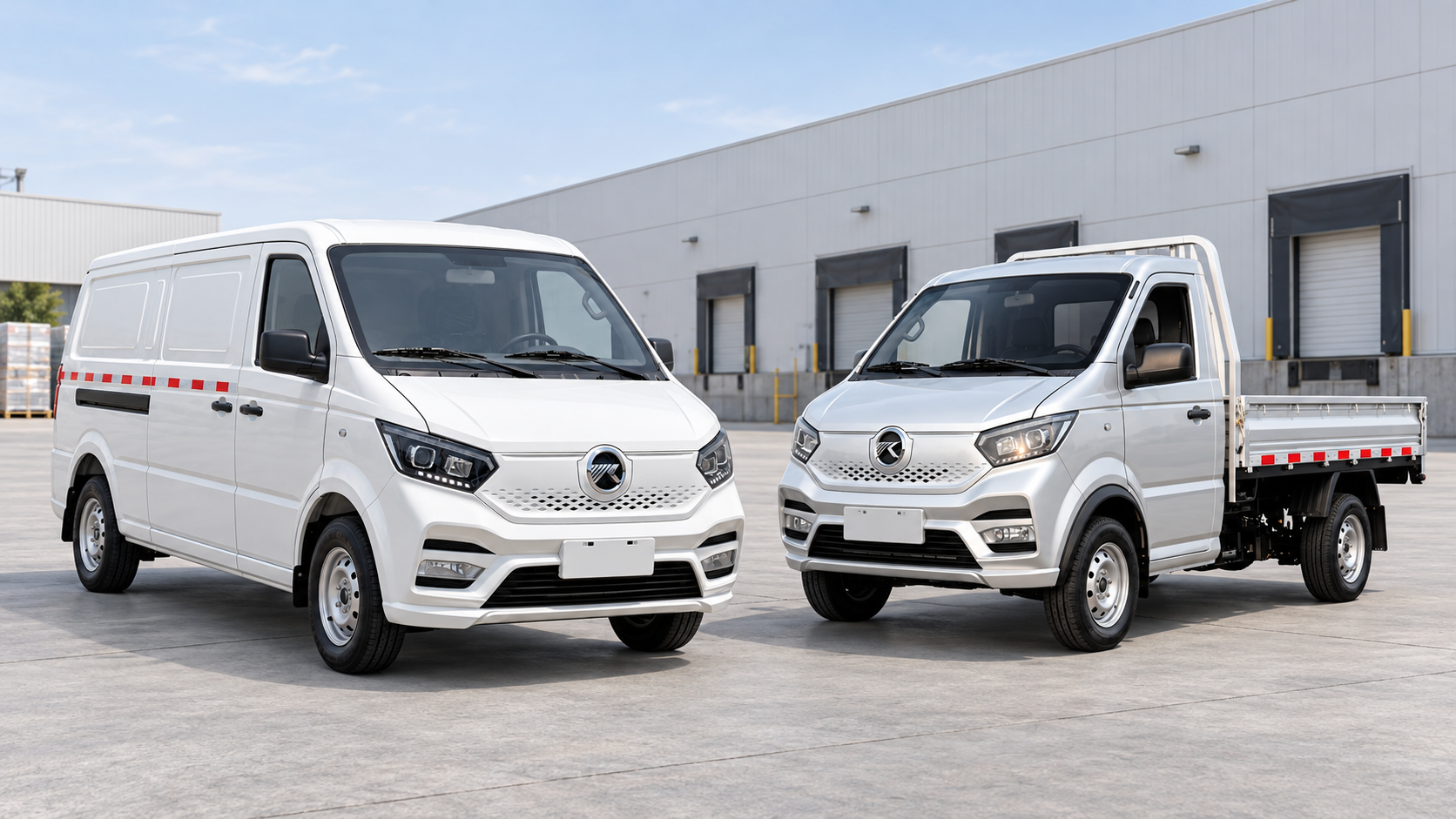
AI-generated illustration based on KAMA vehicle reference images. Vehicle positioning is illustrative, not a dimensional comparison or a photograph of a customer delivery.
An enclosed electric cargo van is a useful starting point for parcels and goods that need covered, lockable storage. An electric mini truck with a dropside body is worth assessing when the job needs side loading or an open load bed. A truck fitted with a box body may also serve enclosed delivery work. The right choice depends on the completed vehicle, actual cargo and daily route.
For dealers building a last-mile delivery range in Africa or South America, comparing an electric cargo van vs electric mini truck should lead to a clear customer application for each configuration. Use the checklist below to shortlist vehicles, brief the supplier and prepare a fleet trial.
Start with the goods your customer carries. Record package dimensions and load weight separately, then describe how staff load and unload. A load may fit within the stated weight limit yet fail to pass through the door. Dense goods may reach a load limit while much of the cargo space remains empty.
| Delivery requirement | Cargo van: what to check | Mini truck: what to check |
|---|---|---|
| Parcels and boxed goods | Door openings, usable space, locks and a practical load-restraint arrangement. | Whether the proposed body is open or enclosed; for a box body, confirm access and internal dimensions. |
| Frequent stops | Can staff reach the next delivery through the available side or rear doors? | Does the selected body allow the required side or rear unloading method? |
| Bulky or irregular loads | Check the complete loading path, including door clearance and wheel housings. | Check bed dimensions, restraint points, loading equipment access and completed-vehicle limits. |
| Temperature-sensitive goods | Request a separate insulated-body and refrigeration specification. | Assess the finished refrigerated body, including equipment weight and energy requirements. |
For example, a parcel distributor may prioritise access to small packages at many stops. An equipment supplier may instead need to load awkward items from the side. These are different reasons to shortlist a body; neither establishes which vehicle has the greater payload. An enclosed body alone also does not establish temperature-control capability.
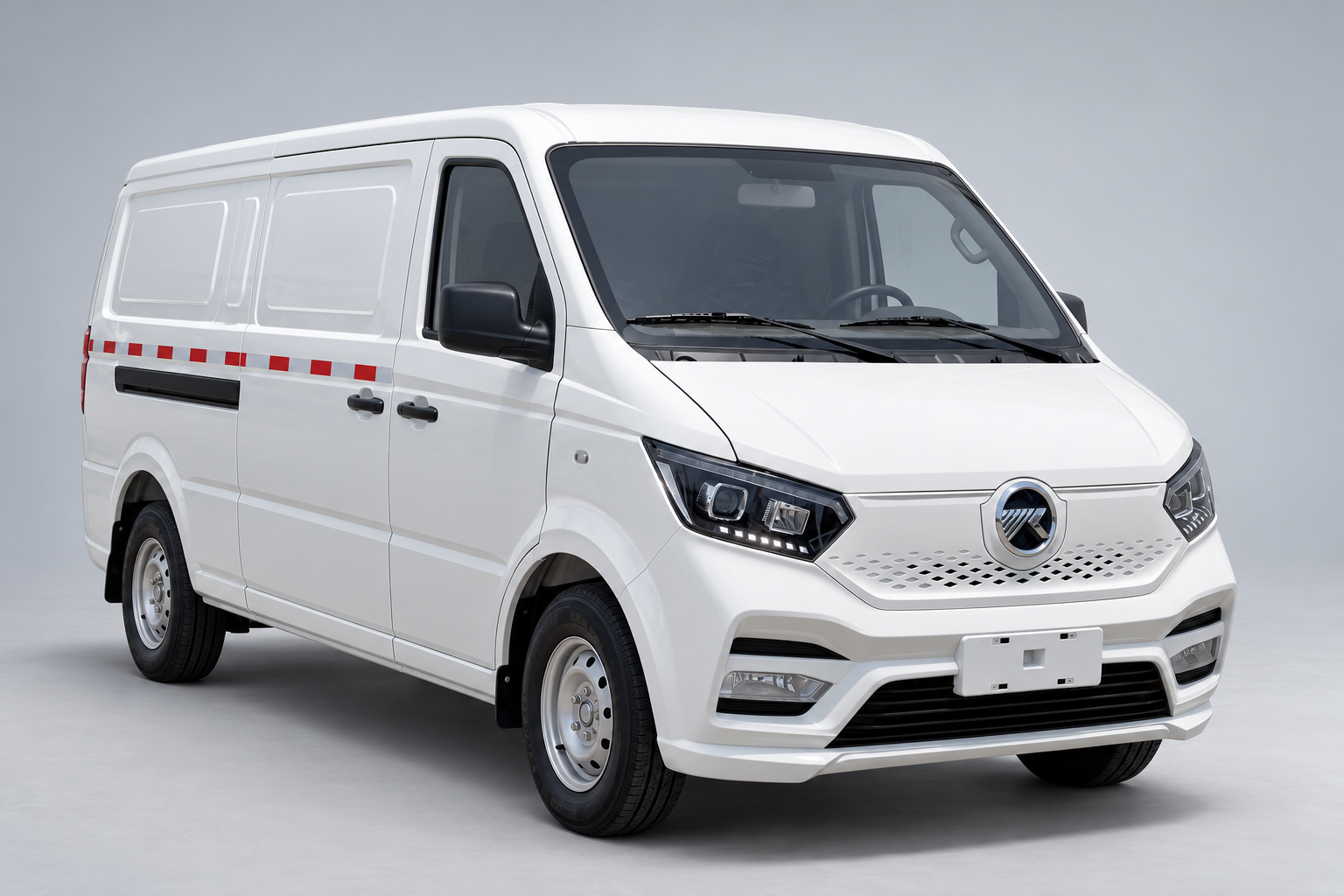
For an ES6 cargo-van enquiry, identify the battery version, steering position, cargo layout and required equipment. Ask the supplier to attach a dated specification to the offered configuration. Apply the same process to the electric mini truck, including the body fitted to its chassis.
Compare three separate measurements: overall vehicle size, usable cargo space and loading-opening clearance. If a customer carries a particular crate or machine, provide its dimensions and request a drawing showing the relevant measurement points. Exterior photographs explain body style; they cannot confirm that the load will fit.
AI illustration using an ES6-labelled local video as reference. Confirm the supplied version and measurements from its specification sheet.
For payload, check the documented limits of the completed vehicle, including its body and fitted equipment. Ask how the quoted weight figures are defined and which axle limits apply. Resolve conflicting figures before using them in a customer proposal. Keep ESP7 passenger-transport requirements in a separate enquiry, with their own seating and operating brief.
A fair comparison uses the same delivery workload. Ask the operator to describe an ordinary working day and a demanding day, marking estimates separately from measured records.
| Route input | What to record |
|---|---|
| Distance and timing | Each route segment, departure and return times, stops and any second shift. |
| Cargo | Starting and maximum loads, package sizes and the unloading sequence. |
| Road and access | Gradients, road surfaces, loading locations, parking limits and required manoeuvres. |
| Charging opportunity | Parking window, proposed charger and connector, site supply and arrangements for an interrupted session. |
| Equipment use | Cabin air conditioning, refrigeration or other equipment used during the shift. |
Keep catalogue range figures attached to their stated test cycle and configuration. They are one planning input, rather than a guarantee that a loaded vehicle will finish a particular route. Use the worksheet to identify what supporting evidence or operational trial is still needed.
Review the exact vehicle charging specification alongside the proposed charger. Confirm compatibility, equipment included with the vehicle and the available site supply. The responsible local technical provider should assess the installation requirements.
Then work backwards from the next departure: when does each vehicle return, how long is it parked, and which charger will it use? For a shared depot, list overlapping charging needs and a backup arrangement. Charging time must be assessed for the actual vehicle, charger, starting charge and conditions, rather than copied from a general vehicle comparison.
If a demonstration or pilot is available, agree its scope and acceptance criteria in advance. Use comparable routes and loads, and record differences between the two vehicles. Evaluate the operation the customer actually intends to run.
Can the goods be loaded, secured and unloaded by the required method?
Can the driver complete the route and manoeuvre at the delivery points?
What energy use and charging time are observed under the recorded conditions?
What body changes, service questions or operating restrictions remain unresolved?
Keep the results linked to the tested configuration. A result from one battery or body version should not automatically approve another. Where a trial is unavailable, clearly identify the remaining assumptions in the purchase discussion.
Before finalising a vehicle selection, clarify the documentation, charging equipment and initial spare-parts package required for the order. Ask for the proposed warranty terms, service contact and parts-identification process for each configuration.
A dealer comparing several versions should keep one configuration list with the intended application and quantity for each. Give the sales and service teams the same controlled specification, handover checklist and issue-reporting process. Repeat orders can then refer to a known version.
Browse the electric delivery van range and electric cargo truck range, then use the KAMA contact page to request a configuration review. Include the following in your message:
Company, destination country and whether you buy for distribution or your own fleet.
Goods carried, maximum load, package dimensions and preferred loading method.
Route, working timetable, road conditions and charging plan.
Preferred model or body, steering position, initial quantity and intended procurement schedule.
For an ES6 enquiry, ask the team to identify the offered battery and cargo-body version in its response. This gives both sides a concrete starting point for the next discussion.
Shortlist an enclosed van for goods needing covered, lockable storage. Assess a dropside truck when open-bed or side-loading access matters. A box-body truck may also suit enclosed delivery. Compare the actual load, access, route and charging requirements before selecting a configuration.
Compare both usable space and documented load limits for the completed vehicles. The words “van” and “mini truck” do not establish either result.
Keep each offered version identifiable. Battery, charging and other configuration differences need to be reflected in the specification and the operating assessment.